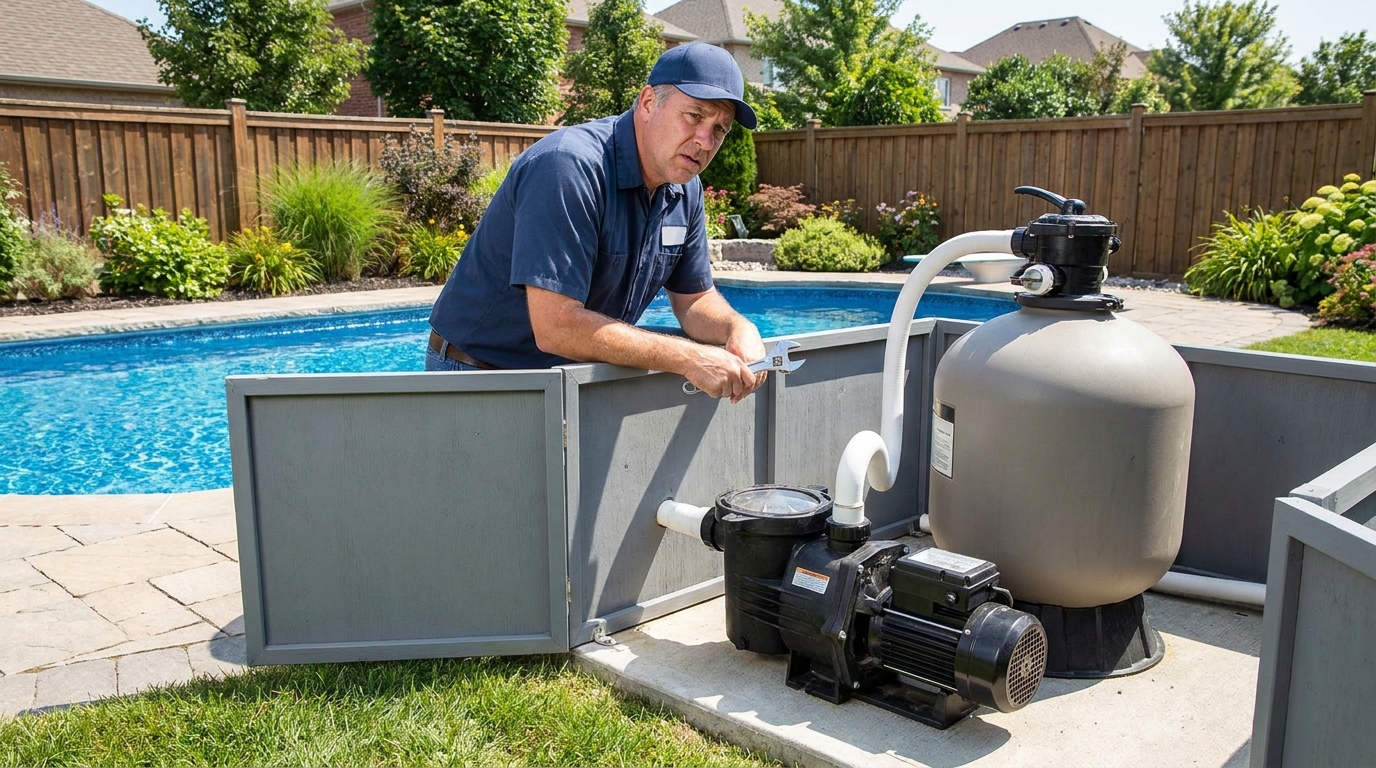
Pool Pump Makes a Loud Noise is one of those pool problems that can look simple from the patio and get expensive fast at the equipment pad. The symptom is usually this: the pump starts whining, grinding, rattling, or humming louder than normal.
This guide helps you diagnose it in the right order. Work through the basics first, keep the pump and chemistry context in mind, and only move to parts replacement after the easy checks are ruled out.
Calculate the chemistry change before you add more
Pool problems get expensive when you guess. Use Pool Chemical Calculator to dose acid, chlorine, alkalinity increaser, stabilizer, calcium, and other adjustments from your actual pool volume and test results.
Download the Pool Chemical Calculator app
Use the pool calculator website
Start with what changed
Think back to the last thing that changed before the problem started: heavy rain, a clogged basket, a filter cleaning, a valve adjustment, a chemical dose, a pump service, or a stretch of hot weather. For pool pump makes a loud noise, timing often points to the right system before you touch anything.
Check the water and circulation together
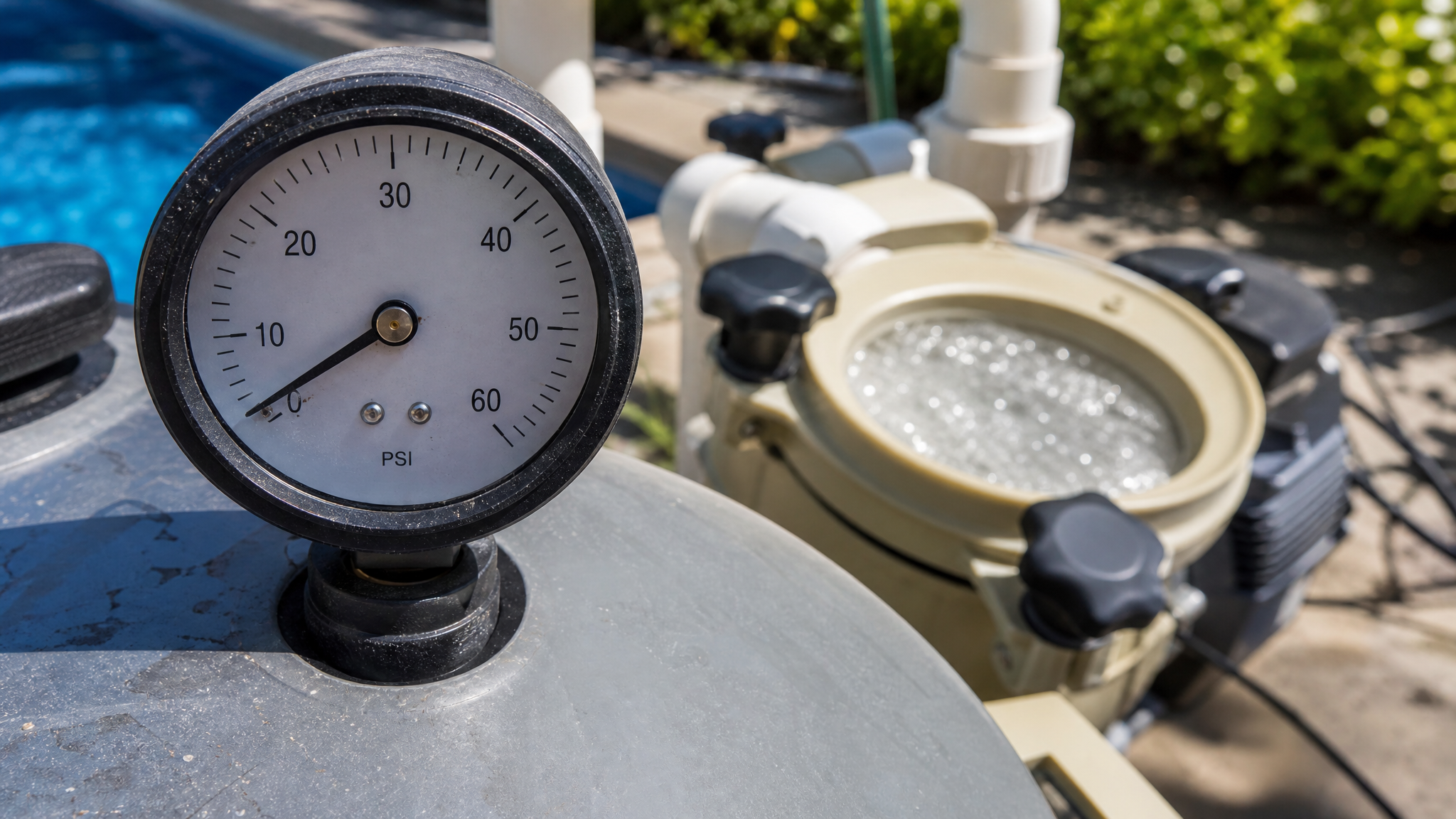
Do not separate equipment symptoms from water chemistry. Check pump prime, air leaks, debris in the impeller, bearings, vibration, and motor failure signs. A pool can look like it has one problem when weak circulation and drifting chemistry are feeding each other.
Fix one variable at a time
Make one change, give the pool time to circulate, then retest or recheck flow. Changing several things at once makes it harder to know what worked and easier to overshoot the chemistry.
Know when to stop troubleshooting
If you find electrical damage, a leaking pressure vessel, a motor that smells hot, cracked plumbing under pressure, or a pool surface problem that is spreading quickly, stop and bring in a qualified pool pro.
Quick checklist
- Empty skimmer and pump baskets before deeper troubleshooting.
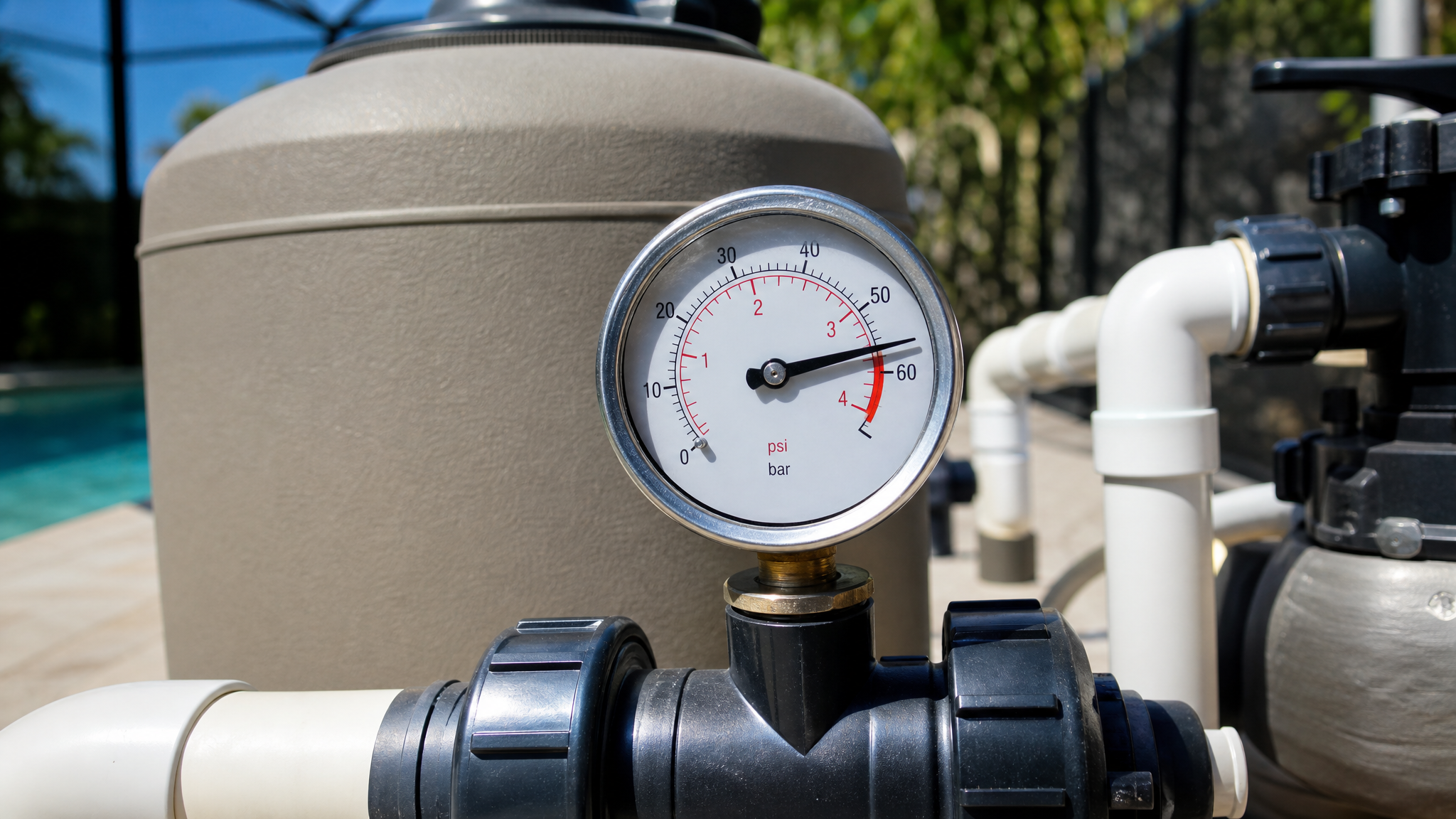
- Compare filter pressure to the clean baseline, not to a random ideal number.
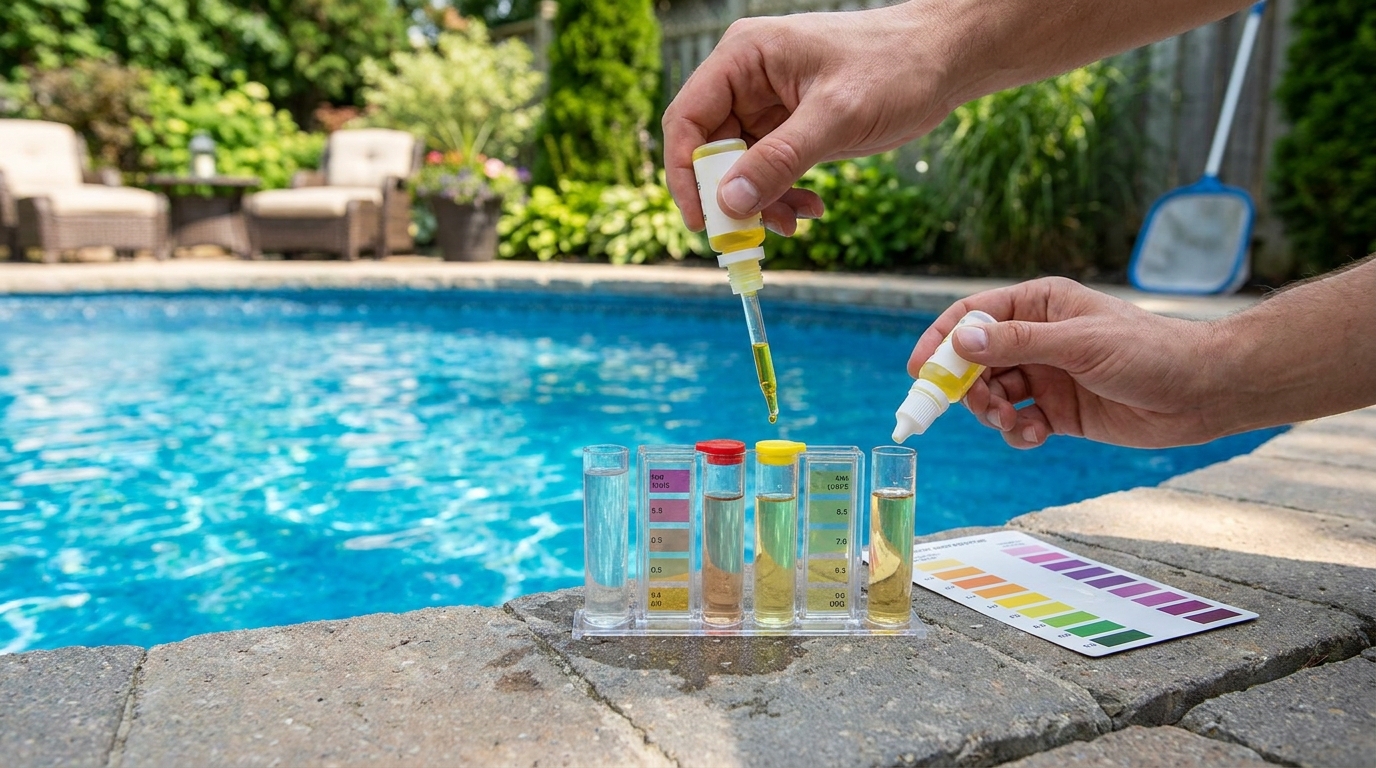
- Test pH, free chlorine, and stabilizer before adding more chemicals.
- Brush the affected area so poor circulation cannot hide the real condition.
- Write down the reading or symptom after each change.
Compare pool troubleshooting supplies on Amazon before replacing parts or test supplies.

Clean Water Pools may earn from qualifying Amazon purchases.
Do the simple checks before the expensive ones
Most pool issues have a short list of common causes. Work from the easy checks toward the expensive repairs, retest after each change, and write down what actually moved the numbers or improved circulation.
FAQ
What causes pool pump makes a loud noise?
The common causes include pump prime, air leaks, debris in the impeller, bearings, vibration, and motor failure signs. Start with the simple checks before assuming the most expensive part failed.
Can pool pump makes a loud noise make the water cloudy?
Yes. Many pool problems reduce circulation or sanitizer performance, and that can lead to cloudy water, algae, or debris that never fully filters out.
Should I add shock for pool pump makes a loud noise?
Only if testing shows a chlorine problem or algae demand. Shock will not fix a blocked line, dirty filter, broken part, or bad gauge reading.
When should I call a pool professional for pool pump makes a loud noise?
Call a pro if the issue involves electrical work, pressure-side plumbing leaks, recurring equipment failure, structural surface damage, or anything you cannot isolate safely.
Bottom line: Diagnose one variable at a time, keep water chemistry in range, and use calculated doses instead of guessing.
Get exact pool dosing help from the Pool Chemical Calculator app or use poolchemicalcalculator.com.