
Disclosure: This article contains Amazon affiliate links. As an Amazon Associate, Clean Water Pools may earn from qualifying purchases.
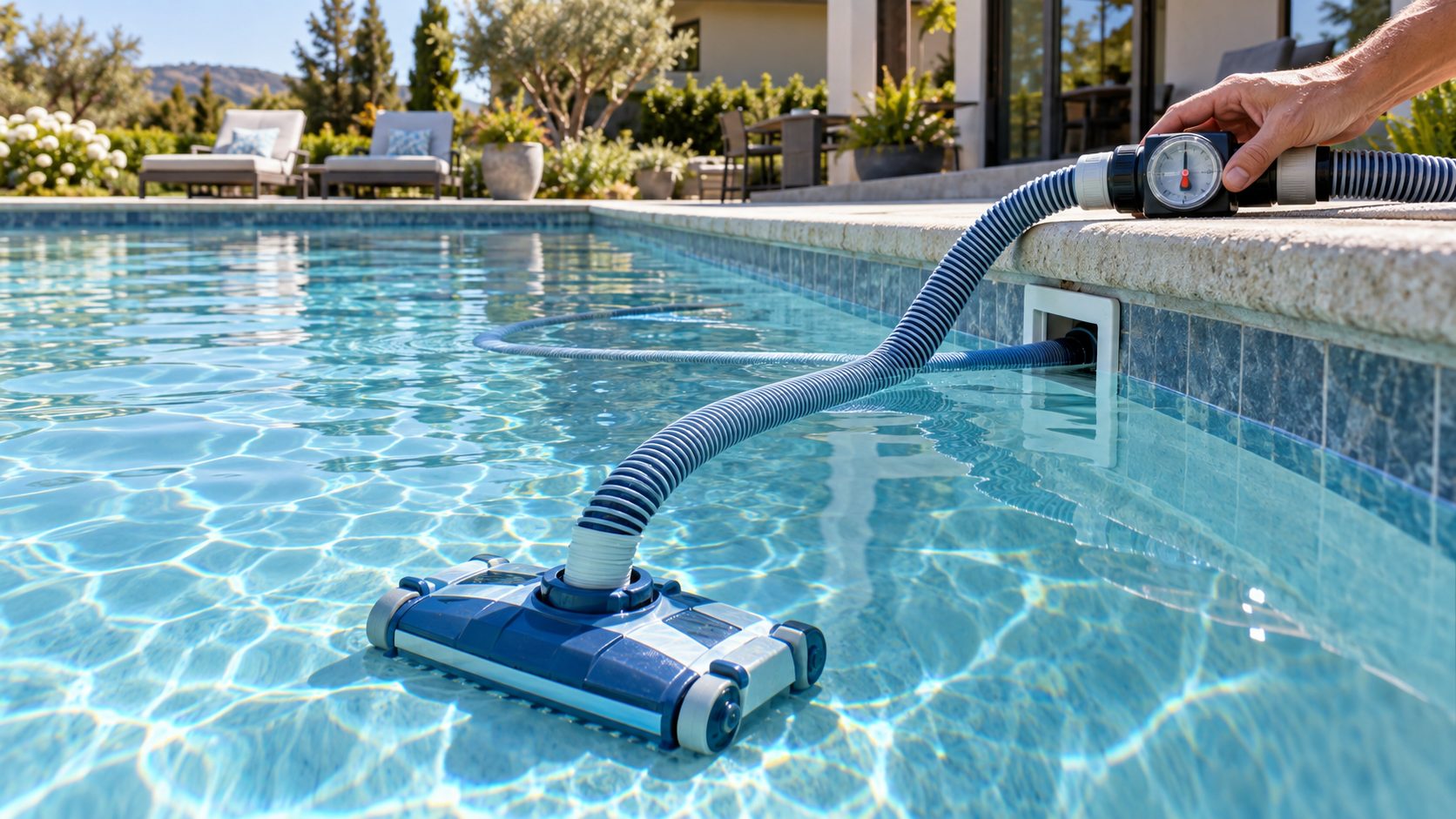
Suction cleaners are picky about flow. Too little and they stall; too much and they climb, flip or hug the edge.
The flow gauge or wheel-count method in the cleaner manual should guide adjustments before you start buying parts.
Calculate the chemistry change before you add more
Pool problems get expensive when you guess. Use Pool Chemical Calculator to dose acid, chlorine, alkalinity increaser, stabilizer, calcium, and other adjustments from your actual pool volume and test results.
Download the Pool Chemical Calculator app
Use the pool calculator website
Check filter and basket condition first
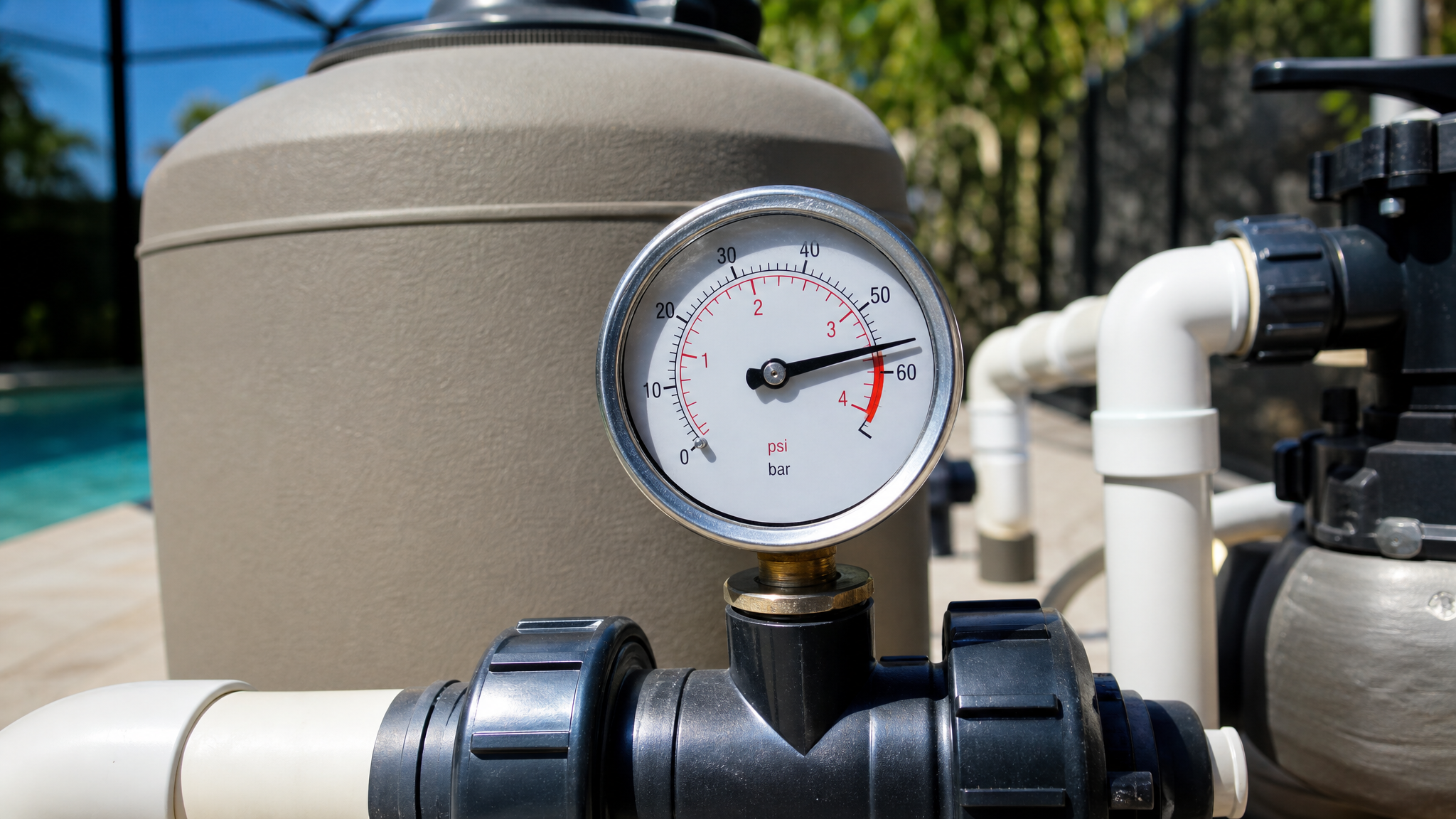
Zodiac’s G3 troubleshooting page says a cleaner that does not move should be checked with the flow gauge, then the filter and pump basket should be cleaned before the diaphragm or hose gets blamed. Its MX6 page gives similar guidance for slow movement: verify wheel speed or proper flow, backwash the filter, empty the pump basket, check for air in the system, and make sure the regulator valve moves freely.
That order matters. A packed skimmer basket, dirty filter, or air leak can make a healthy suction cleaner act weak. Do those basics first, then use the cleaner’s own flow test instead of guessing from the way the hose twitches.
Use the cleaner-specific flow method
Some cleaners use a flow gauge. Others, including some tracked cleaners, use wheel rotations to confirm proper flow. Use the exact model manual, set the cleaner up as directed, and make one valve adjustment at a time. Before you touch a diverter or suction valve, mark or photograph the starting position so normal circulation is easy to restore.
Separate flow problems from hose problems
A kinked hose, wrong length, cracked section, loose connector, or misplaced float can cause poor coverage even when the gauge reading is acceptable. Zodiac’s G3 FAQ points owners to proper hose length, return direction, hose kinks, and hose weight placement when a cleaner patterns. The MX6 FAQ says to confirm hose length, direct returns downward, straighten kinked hose, and position the hose float about 9 inches from the cleaner head.
Safety before the checklist
Turn the pump off before opening baskets, disconnecting hoses, or clearing debris. Follow the cleaner and pump manuals for your exact model, and call a qualified pool professional if suction valves, electrical equipment, entrapment hazards, or underground plumbing are involved.
Research note: this checklist was written from the Zodiac G3 and Zodiac MX6 manufacturer troubleshooting pages and manuals, then narrowed to homeowner-safe checks that do not require disassembling equipment.
Quick checklist
- Clean baskets before judging cleaner performance.
- Use the model's gauge or wheel-count procedure.
- Move valves in small steps and record the original position.
- Inspect hose length, kinks and cracks separately from flow.
Helpful pool supplies
As an Amazon Associate, Clean Water Pools may earn from qualifying purchases.


Compare pool troubleshooting supplies on Amazon before replacing parts or test supplies.
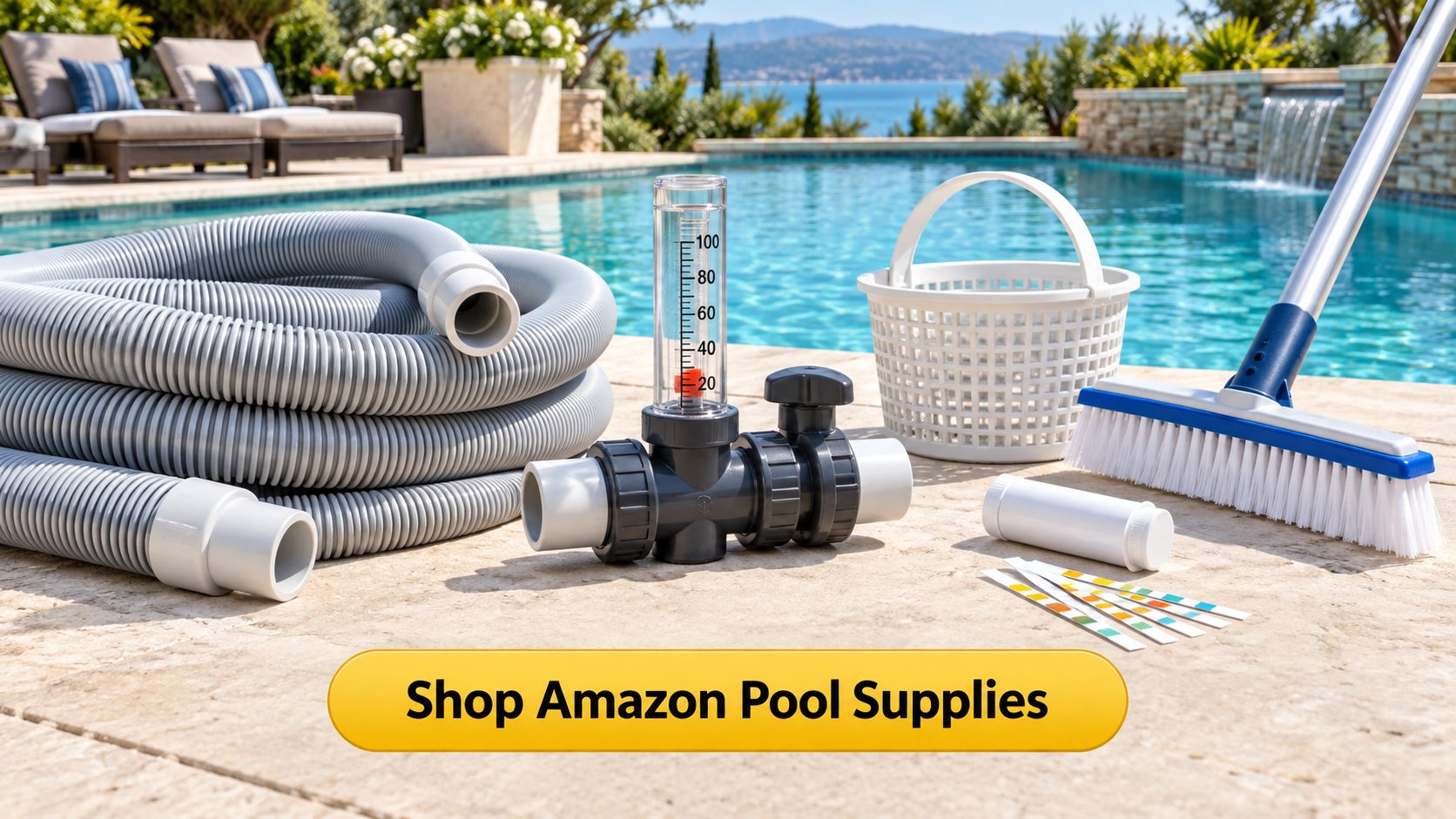
Clean Water Pools may earn from qualifying Amazon purchases.
Do the simple checks before the expensive ones
Most pool issues have a short list of common causes. Work from the easy checks toward the expensive repairs, retest after each change, and write down what actually moved the numbers or improved circulation.
FAQ
Can too much suction make a cleaner worse?
Yes. Some cleaners climb too aggressively, flip, or stay on edges when flow is too high.
Should I remove the skimmer basket for a suction cleaner?
Follow the exact cleaner connection instructions. Some skimmer setups use a regulator valve and specific fittings. If the manual calls for a basket, adapter, or leaf canister, do not improvise around it.
What if the flow gauge looks right but the cleaner still misses areas?
Move on to hose length, hose memory, return-jet direction, hose weights or floats, and stuck swivels. Good flow does not fix a hose that is too short, coiled, cracked, or aimed by strong returns.
Bottom line: Diagnose one variable at a time, keep water chemistry in range, and use calculated doses instead of guessing.
Get exact pool dosing help from the Pool Chemical Calculator app or use poolchemicalcalculator.com.